How To Use Garden Mulch To Superlative Your Plants
Introduction
Mulch is a layer of organic or inorganic material that is spread around plants to improve the soil and protect the plants from weeds, pests, and diseases. It also helps to regulate soil temperature and moisture levels, which can help plants to grow better.
In this blog post, I will discuss the benefits of using mulch in the garden, how to choose the right type of mulch, and how to apply mulch correctly. I will also provide some tips on how to use mulch to superlative your plants.
Benefits of Mulch
There are many benefits to using mulch in the garden. Some of the most important benefits include:
- Improved soil health: Mulch helps to improve the soil by adding organic matter and nutrients. This can help to make the soil more fertile and easier for plants to grow in.
- Reduced weed growth: Mulch helps to suppress weed growth by blocking sunlight and moisture from reaching the soil. This can help to save you time and effort weeding.
- Protected plants: Mulch helps to protect plants from pests and diseases by creating a barrier between the plants and the soil. This can help to reduce the incidence of pests and diseases.
- Regulated soil temperature: Mulch helps to regulate soil temperature by keeping the soil cooler in the summer and warmer in the winter. This can help plants to thrive in a wider range of temperatures.
- Retained moisture: Mulch helps to retain moisture in the soil, which can help plants to survive during dry periods.
Choosing the Right Type of Mulch
There are many different types of mulch available, each with its own benefits and drawbacks. Some of the most common types of mulch include:
- Wood chips: Wood chips are a popular type of mulch because they are relatively inexpensive and easy to find. They also have a long lifespan, which means that you won't have to reapply them as often.
- Pine needles: Pine needles are another popular type of mulch. They are lightweight and easy to spread, and they help to acidify the soil, which can be beneficial for some plants.
- Bark mulch: Bark mulch is a more expensive type of mulch, but it is also more attractive. It has a long lifespan and helps to suppress weed growth.
- Straw: Straw is a good option for mulching vegetable gardens. It is lightweight and easy to spread, and it helps to suppress weed growth.
- Compost: Compost is a great way to improve the soil and provide nutrients to plants. It is also a relatively inexpensive option.
Applying Mulch
The best time to apply mulch is in the spring or fall. This will give the mulch time to decompose before the hot summer months or the cold winter months.
To apply mulch, simply spread it around the plants in a layer that is 2-3 inches thick. Be sure to keep the mulch away from the stems of the plants.
Tips for Using Mulch
- Water the mulch after you apply it. This will help the mulch to settle and prevent it from blowing away.
- Reapply mulch every year or two. Mulch will decompose over time, so you will need to reapply it to keep it effective.
- Remove any dead or dying mulch. This will help to prevent pests and diseases from spreading.
Conclusion
Mulch is a great way to improve the health of your garden and protect your plants. By following the tips in this blog post, you can use mulch to superlative your plants and create a beautiful and productive garden.
Garden mulch is a great way to improve the health and productivity of your garden. It can help to retain moisture, suppress weeds, and protect plant roots from the elements. If you're interested in learning more about garden mulch, I recommend visiting Home Gardening. This website has a wealth of information on the different types of mulch, how to apply it, and the benefits it can provide for your garden.
FAQ of garden mulch
- What is garden mulch?
Garden mulch is a layer of organic or inorganic material that is spread on top of the soil in gardens and other planting areas. It serves several purposes, including suppressing weeds, conserving moisture, and improving soil quality.
- What are the benefits of using garden mulch?
There are many benefits to using garden mulch, including:
* Suppresses weeds: Mulch helps to suppress weeds by blocking sunlight and preventing them from germinating.
* Conserves moisture: Mulch helps to conserve moisture by reducing evaporation from the soil. This can help to reduce your watering needs, especially during hot, dry weather.
* Improves soil quality: Mulch helps to improve soil quality by adding organic matter and nutrients to the soil. This can help to improve drainage, aeration, and water retention.
* Moderates soil temperature: Mulch helps to moderate soil temperature by providing insulation. This can help to keep plant roots cool in the summer and warm in the winter.
* Attracts beneficial insects: Mulch can attract beneficial insects, such as earthworms and ladybugs, which can help to control pests.
- What are the different types of garden mulch?
There are many different types of garden mulch, including:
* Organic mulches: Organic mulches are made from plant materials, such as leaves, bark, straw, and wood chips. They are the most common type of mulch and they provide many benefits, such as suppressing weeds, conserving moisture, and improving soil quality.
* Inorganic mulches: Inorganic mulches are made from materials that do not decompose, such as gravel, pebbles, and landscape fabric. They are not as effective as organic mulches at suppressing weeds, but they can be useful for areas where you do not want weeds to grow, such as around trees and shrubs.
- How much mulch should I use?
The amount of mulch you need to use will depend on the type of mulch you are using and the size of the area you are mulching. In general, you should apply a layer of mulch that is 2-4 inches thick.
- When should I apply mulch?
You can apply mulch at any time of year, but it is best to apply it in the spring or fall. This will give the mulch time to break down before the hot summer or cold winter weather.
- How do I maintain mulch?
Once you have applied mulch, you will need to maintain it by adding more mulch as needed and removing any weeds that do manage to grow through the mulch. You should also check the mulch periodically to make sure it is not compacting.
Image of garden mulch
- Wood chips: Wood chips are a popular choice for garden mulch because they are relatively inexpensive and easy to find. They also help to improve drainage and aeration in the soil.

- Pine bark: Pine bark is another popular choice for garden mulch. It is a bit more expensive than wood chips, but it is also more attractive. Pine bark also helps to suppress weeds and pests.
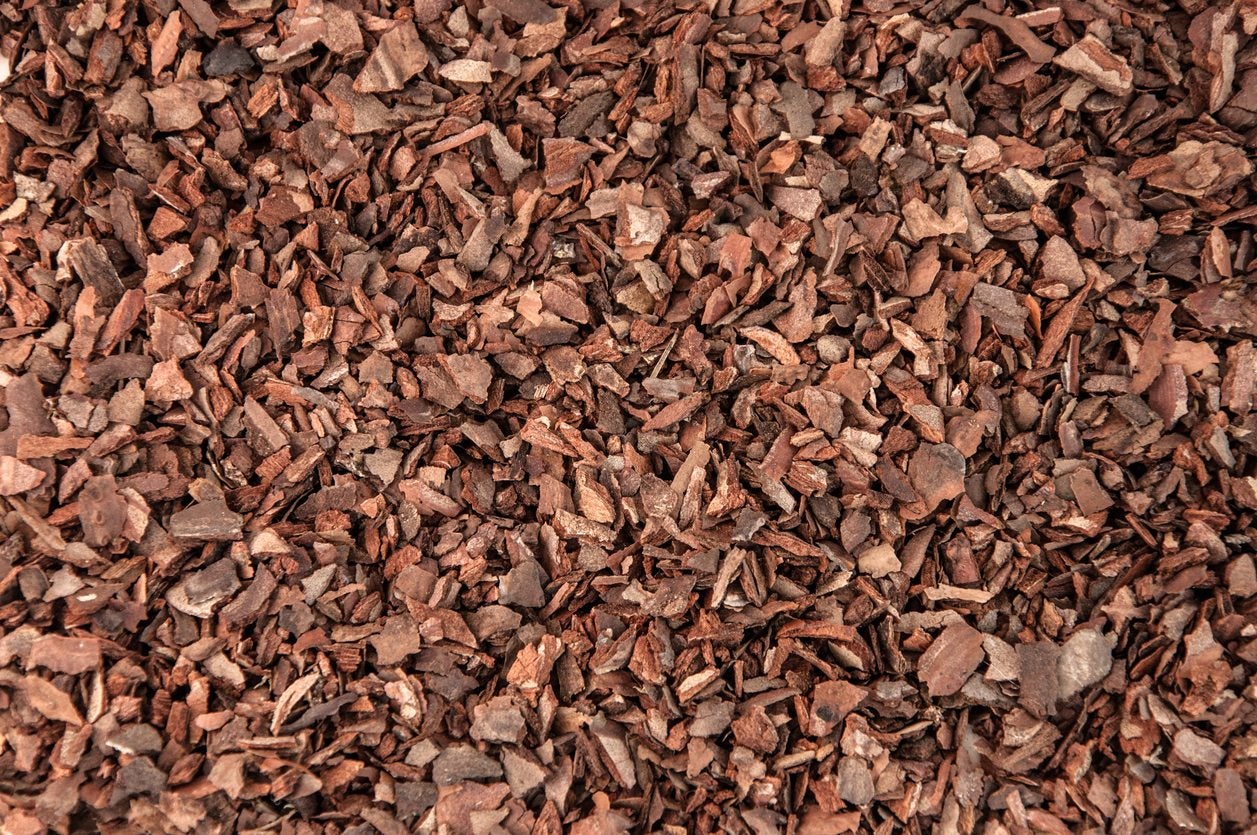
- Shredded leaves: Shredded leaves are a free and easy way to mulch your garden. They help to improve the soil's structure and retain moisture.
- Cocoa shells: Cocoa shells are a unique and attractive choice for garden mulch. They help to improve the soil's drainage and aeration, and they also deter pests.
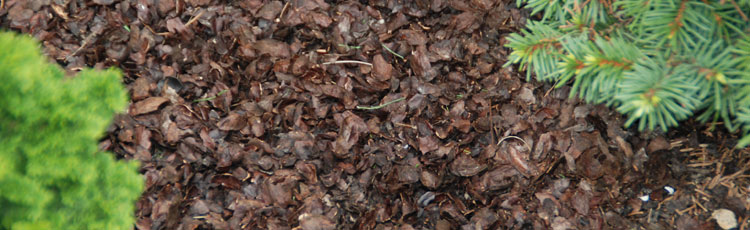
- Grass clippings: Grass clippings are a great way to recycle your lawn clippings. They help to suppress weeds and improve the soil's fertility.
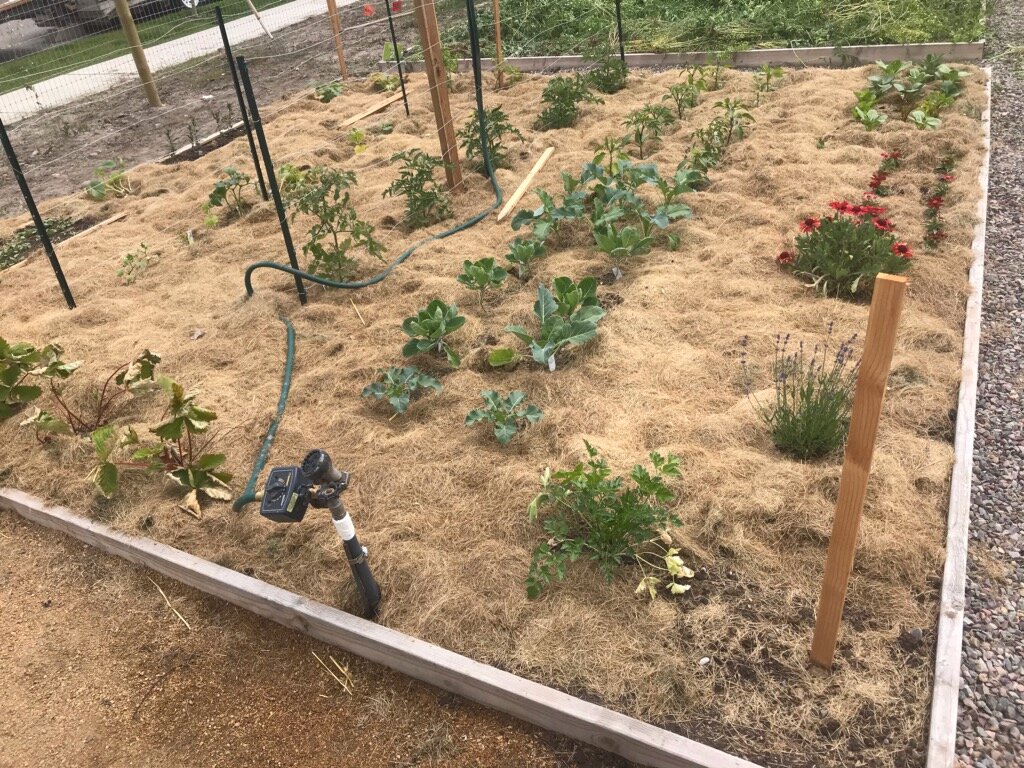
- Hay: Hay is a good choice for mulching around plants that need a lot of moisture. It helps to retain moisture and suppress weeds.
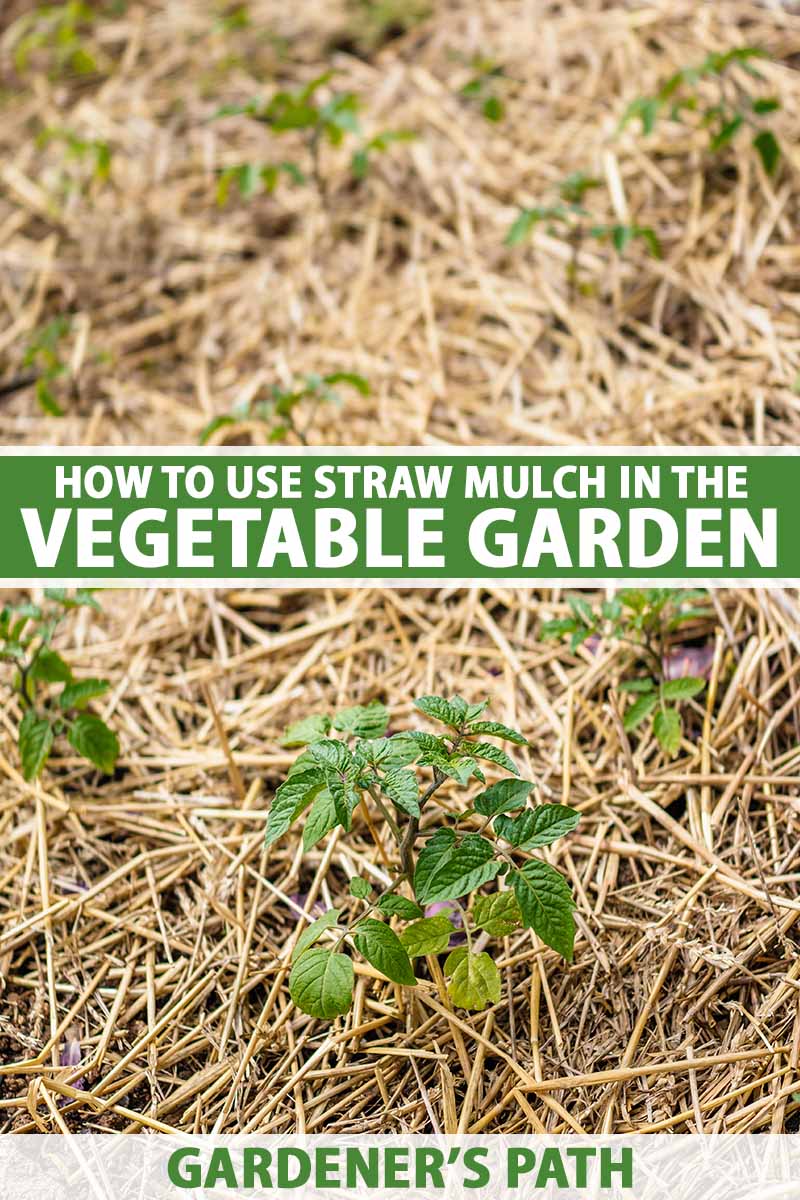
- Straw: Straw is a good choice for mulching around vegetable gardens. It helps to suppress weeds and pests, and it also helps to keep the soil warm in the winter.
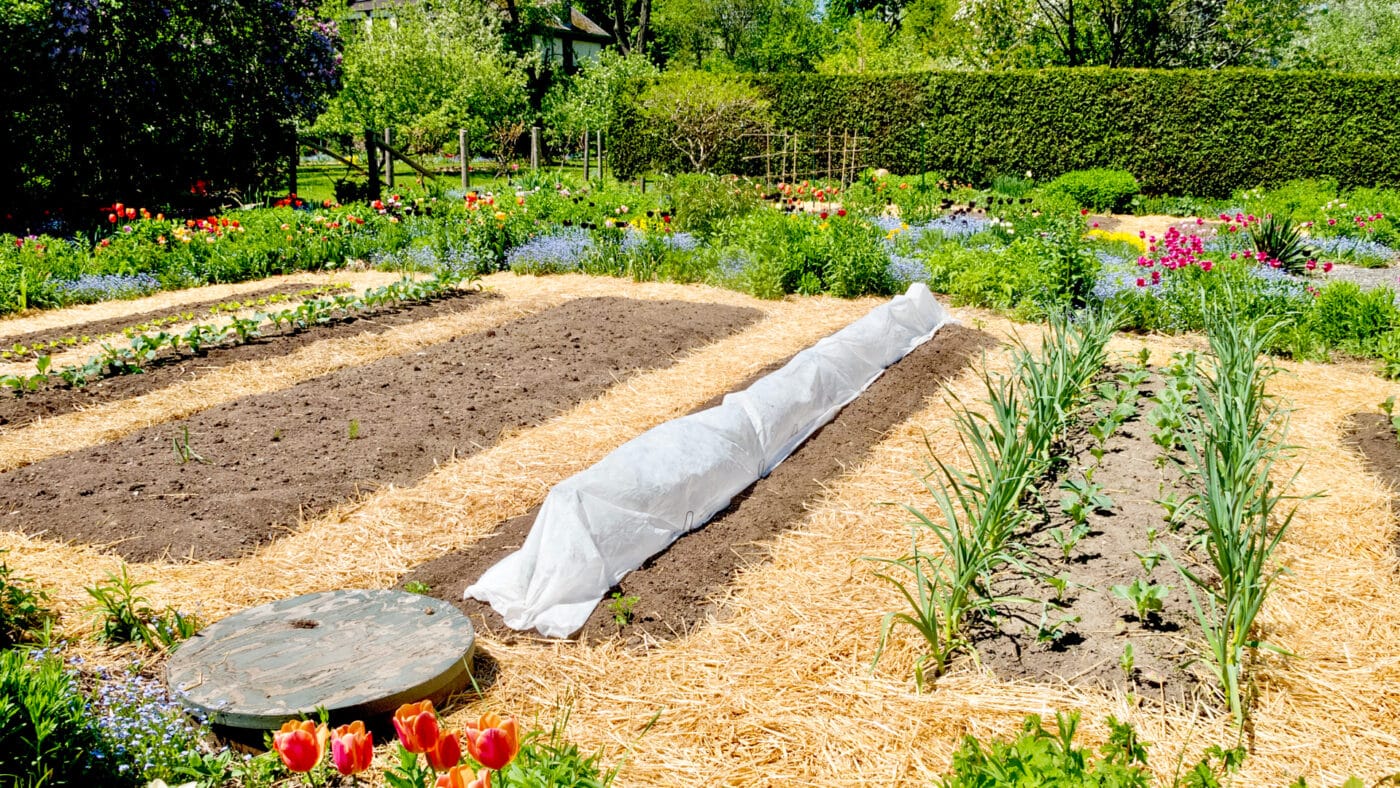
- Rocks: Rocks can be used as mulch to help retain moisture and suppress weeds. They are also a good choice for areas where you want to create a more formal look.
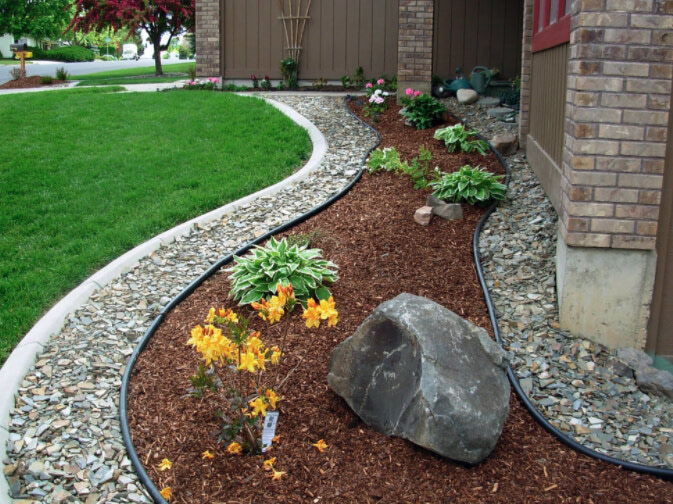
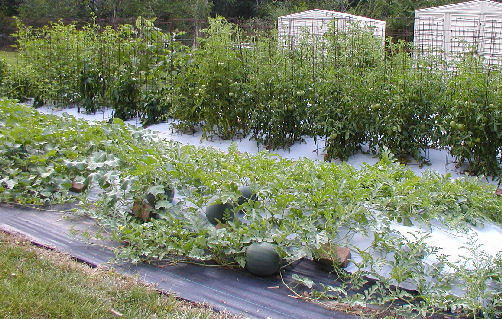
- Plastic sheeting: Plastic sheeting can be used as mulch to suppress weeds and prevent erosion. It is not a good choice for all areas, as it can block sunlight and prevent water from reaching the soil.

Post a Comment for "How To Use Garden Mulch To Superlative Your Plants"